
Turn priorities into results you can verify.
ODAM connects the outcome you want, the evidence you have, and the authority to act. Use the Data Compass to reason through the decision, carry out bounded work, and check what changed.
Name an owner. Provide authority and resources. Set limits. Agree on the evidence and a review date. Give the people affected a way to challenge the aim, the measure or the rule.
- 01Define the outcomeWhat should improve, or must stay true, for the people you serve.
- 02Name the ownerAuthorize the work, with resources and limits.
- 03Use the CompassDecide from what the evidence supports.
- 04Carry it outBounded work, recorded as it happens.
- 05Check and adjustContinue, change, pause or stop.
Connect commitments, evidence and decisions.
ODAM organizes what your team has committed to, the evidence it receives, and the decisions it makes by comparing the two. The three graphs keep those records connected, and keep clear what each one can establish.
No. Comparison alone grants no authority to act. The owner decides, within the limits they were given.
Comparison informs the decision; it does not grant authority.
- What was knownThe evidence the decision rested on, with its source and time.
- Who decidedThe owner, the authority they used, and when.
- What happenedThe action taken and its observed effect.
- Every correctionAdded alongside, never written over, so you can see how you got here.
The Explorer's library is shared reference material. Its Observed and Join areas show structure, not a live organization's evidence.
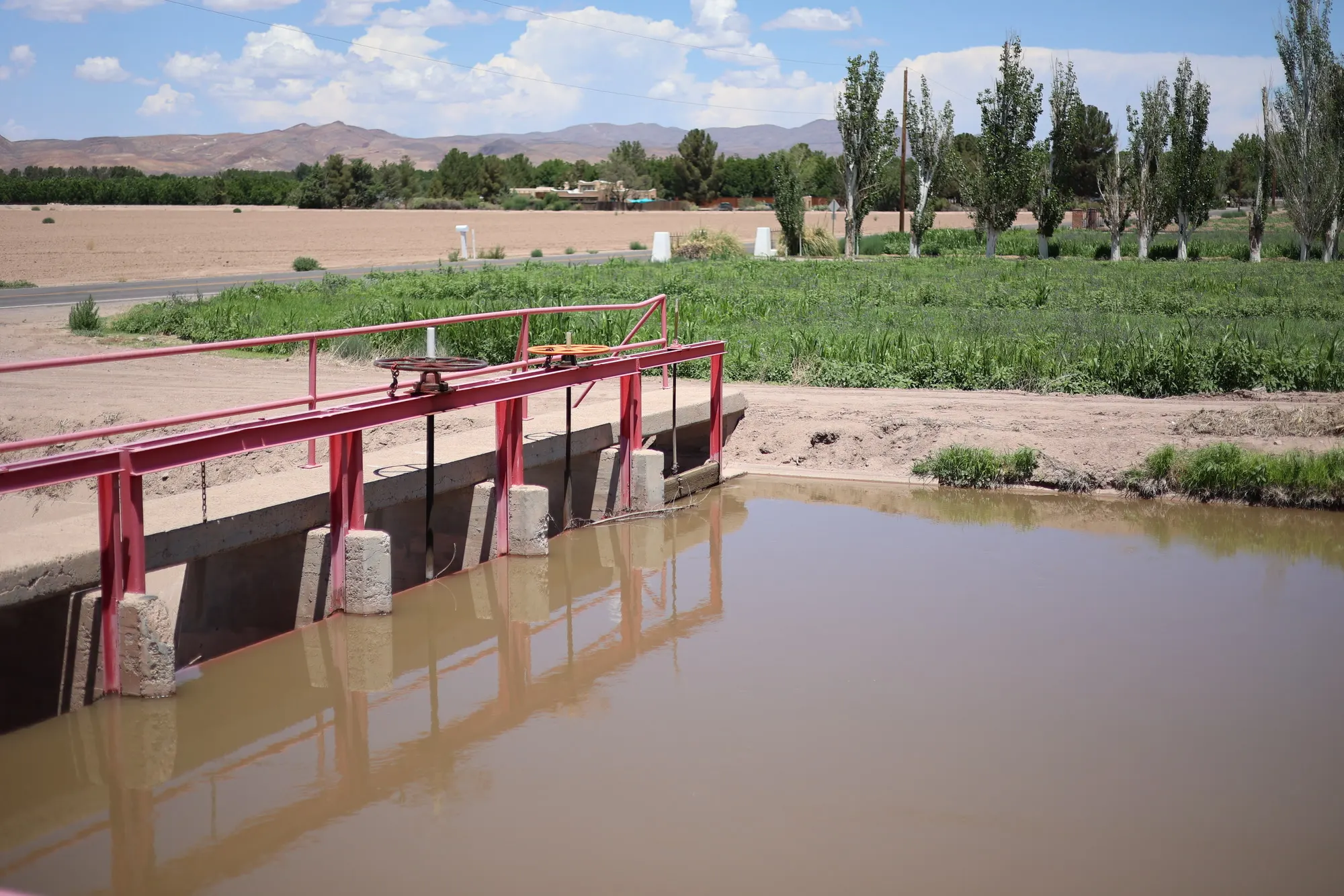
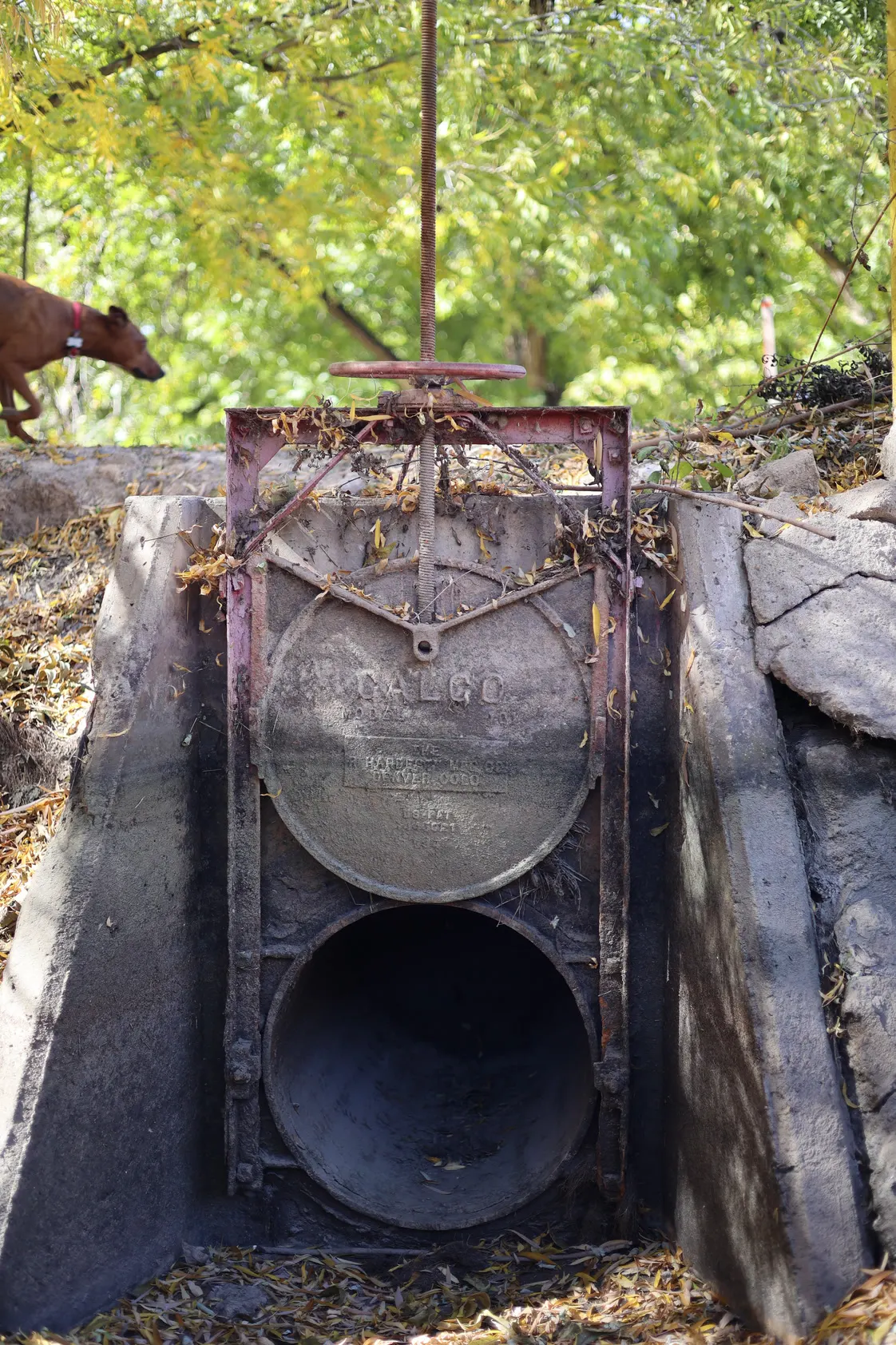
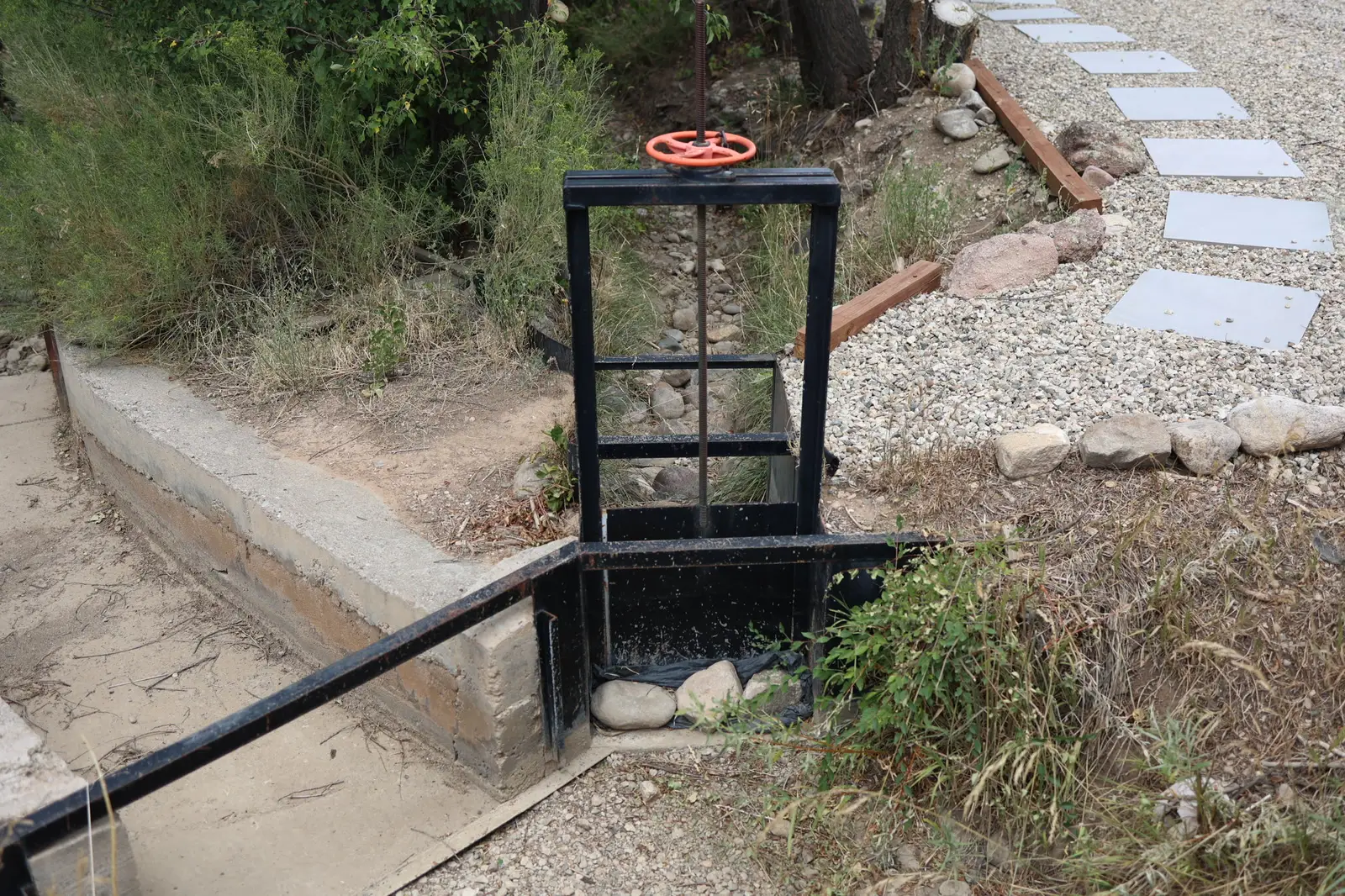
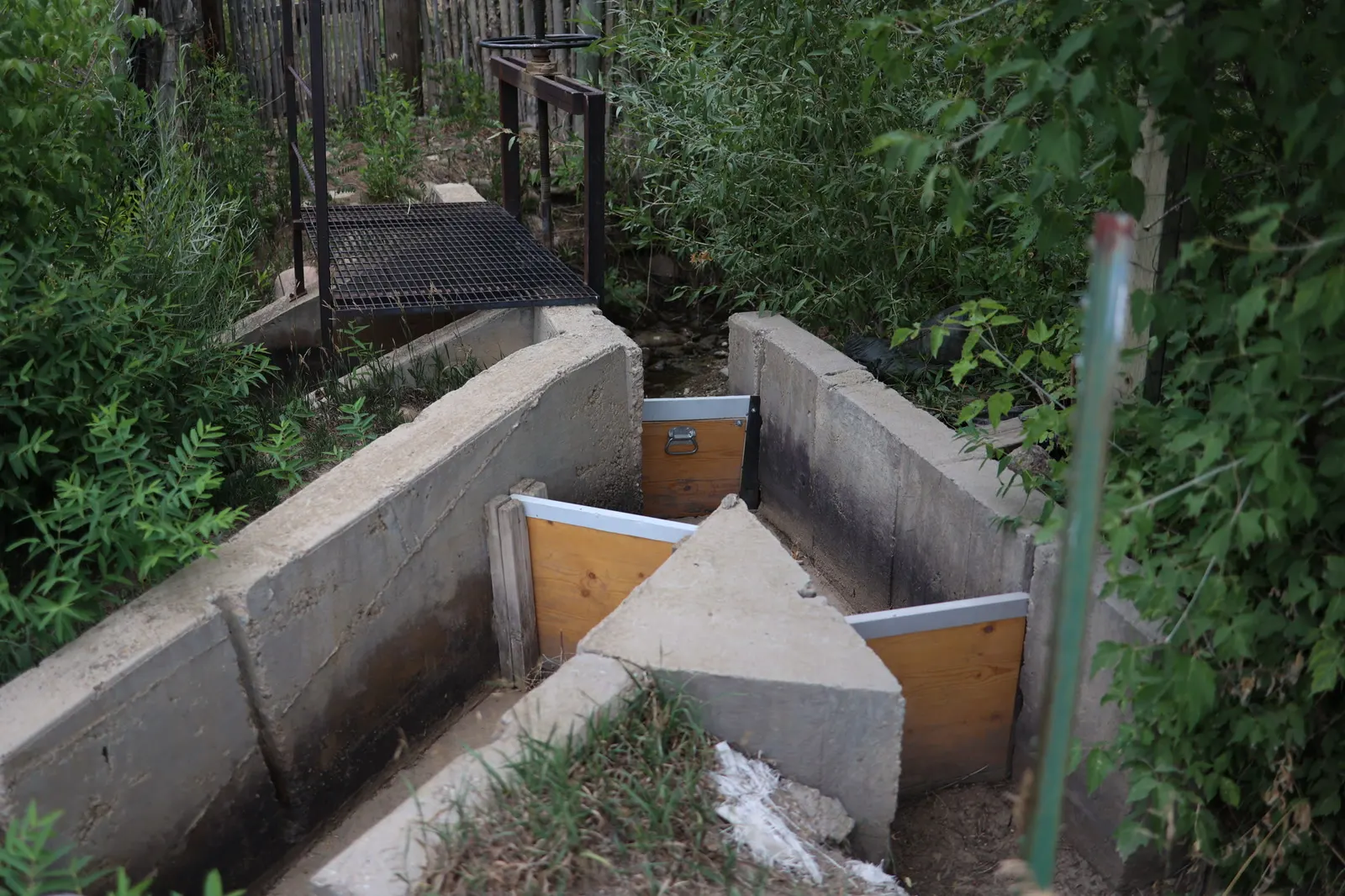
A gate is a decision.
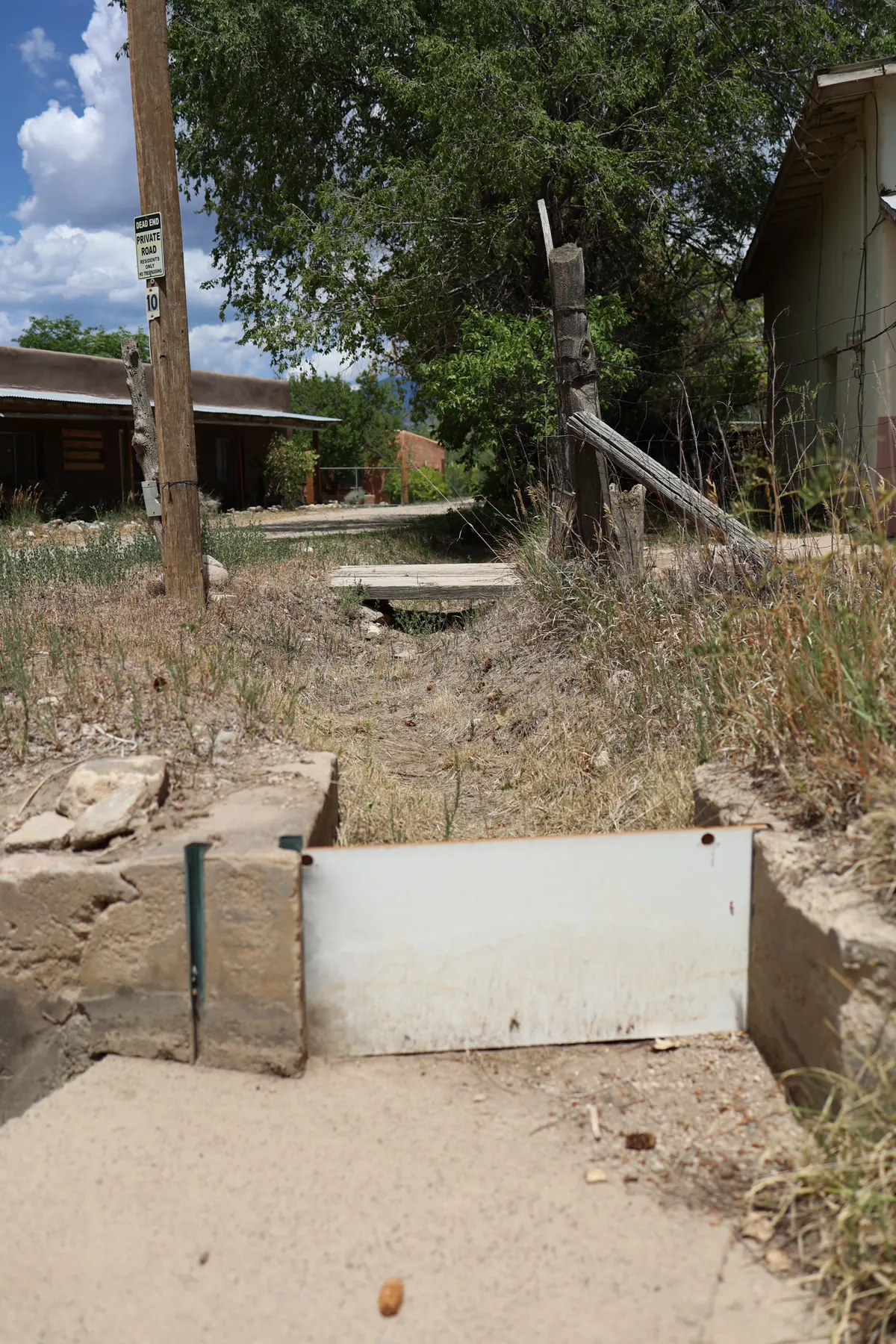
A gate doesn't decide anything by itself: someone with standing decides who may open it, and when. An acequia moves water downhill, on time, under shared rules. Data becomes useful when it helps someone decide what to do. Sometimes the right decision is to keep the gate shut.
Work through the decision.
The graphs keep the records connected. The Data Compass is how people reason about them: what is happening, what could explain it, what remains unknown, and what action the evidence supports.
How the Compass worksThree numbers
Days at Risk
How long does each known exposure stay unmitigated, counted from the earliest record that shows we knew?
Time to Good Decision
How long from the first anomalous signal to a recorded decision that holds through its validation window?
Ambient Breach
Are we keeping up? Does ambiguity arrive faster than we can verifiably repair it?
Machine-speed work needs more than a checklist.
Attackers can vary their tactics, divide a harmful objective into ordinary-looking tasks, and coordinate the effects across agents and tools. Each action can pass its own check while the combined result causes harm. Attempts can arrive faster than people can review them.
The possibilities are open-ended; rules, time and capacity are finite. Rules can still constrain cases nobody anticipated. The hard part is enforcing those limits across changing context, concurrent work and cumulative effects.
How the parts work together.
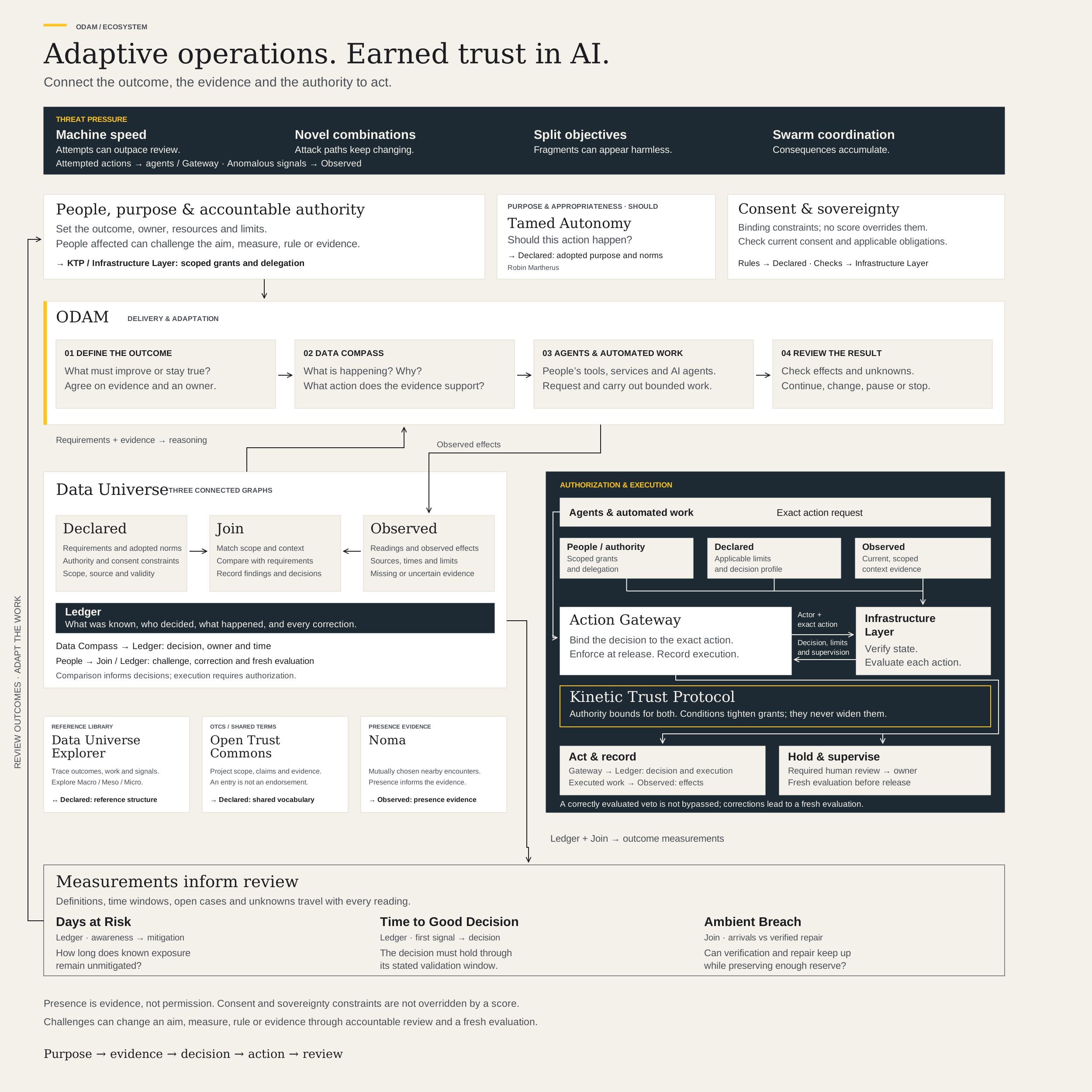
Connect the outcome, the evidence and the authority to act. Select any card to see what it takes in and what it hands on.
Open-ended attacks against finite rules
Each action can pass its own check while the combined result causes harm.
- Machine speed
- Novel combinations
- Split objectives
- Swarm coordination
Attack paths keep changing, harmful objectives arrive in harmless-looking fragments, and consequences accumulate across agents. Finite rules and capacity have to address context, composition and cumulative effects.
- Open-ended attack paths
- Coordinated agents and tools
- Attempted actions at agents and the gateway
- Anomalous signals in Observed
People, purpose and accountable authority
Set the outcome, the owner, the resources and the limits. Hear challenges from the people affected.
One outcome for the people served. Someone accountable grants and scopes authority. The people affected can challenge the aim, measure, rule or evidence.
- Measurements at review
- Challenges from the people affected
- The outcome, owner, resources and limits
- Scoped grants and delegation
- Challenges into Join and the Ledger
Tamed Autonomy
Should this action happen?
A normative judgment made before anyone asks whether an action may proceed. Norms bind once an accountable party adopts them. Contributed by Robin Martherus.
- A proposed purpose and use
- Adopted purpose and norms, into Declared
ODAM
The delivery loop, from an outcome to a reviewed result.
- 01 Define the outcome
- 02 Data Compass
- 03 Agents and automated work
- 04 Review the result
The delivery loop. People's tools, services and AI agents request and carry out bounded work; the team reviews effects and unknowns and decides to continue, change, pause or stop.
- The outcome and its limits
- Requirements and evidence
- Decisions with an owner
- Requests to act
- Effects, observed
Declared → Join ← Observed
Commitments on one side, evidence on the other, compared in Join.
- Declared: what we committed to
- Observed: what the evidence shows
- Join: how they compare
Declared holds commitments, requirements, roles, scope, authority and the decision profile. Observed holds readings and events with sources, times and limits, including what's missing. Join matches scope and context, compares, and records findings and decisions. Comparison grants no authority by itself.
- Requirements and adopted norms
- Readings and observed effects
- Presence evidence
- Shared vocabulary
- Findings and decisions
- Limits and current context for each action
- Evidence for reasoning
Data Compass
What is happening? What could explain it? What action is supported?
The reasoning practice inside the loop: connect observations, explanations and unknowns to the action the evidence supports.
- Findings from Join
- Requirements and evidence
- A decision, its owner and time, into the Ledger
- The supported action
Ledger
What was known, who decided, what happened, and every correction since. It's what makes a decision reviewable. Together, Ledger and Join provide the records behind the three measures.
- Append-only
- Owner on every decision
- Evidence linked
- Corrections added, never overwritten
- SignalAn agent changed a vendor's bank details. No record of the required verification.
- DecisionHold that vendor's payment. Owner: payables lead.
- VerificationA call to the number on file: the vendor asked for no change.
- CorrectionBank details restored. The hold stays until review.
What was known, who decided, what happened, and every correction. Records keep their source, scope and history; corrections are added, never written over.
- Decisions from the Compass
- Decision and execution records
- Challenges and corrections
- History for review
- Records for the three measures
Days at Risk
How long does known exposure remain unmitigated?
A plain count from the earliest record that shows you knew, never shortened by a slow acknowledgment.
- Ledger: awareness to mitigation
- Where to fix next, at review
Time to Good Decision
From the first signal to a decision that holds.
The decision must hold through its stated window. Measured per incident class at the 90th percentile, with reversed and open cases shown beside it.
- Ledger: first signal to decision
- Whether response is fast enough, at review
Ambient Breach
Can verification and repair keep up, with reserve?
Compares the arrival of uncertainty with verified repair. A flat backlog doesn't prove the reserve is safe.
- Join: arrivals against verified repair
- Staff, automate or escalate, at review
Action Gateway
Binds the action. Rechecks at release.
Binds the decision to the exact action, sends the actor and action to the Infrastructure Layer for evaluation, enforces the result at release, and records the execution. After a required human review, a fresh evaluation runs before release.
- The actor and exact action
- The decision, limits and supervision from the Infrastructure Layer
- The actor and exact action, to the Infrastructure Layer
- Release of the authorized action, within limits
- Decision and execution records, into the Ledger
- Holds for required human review, to the owner
Infrastructure Layer
Verifies state. Evaluates each action.
Evaluates each action and answers the gateway through its own interface.
- Actor and exact action
- Scoped grants
- Declared limits
- Current context
- Decision, limits, supervision
Kinetic Trust Protocol
Defines the bounds on authority. Conditions tighten grants; they never widen them.
Authority is evaluated at the moment of the act, from the grant, the exact action and the current context, not only from a credential issued earlier. A correctly evaluated veto is not bypassed; corrections lead to a fresh evaluation.
- Scoped grants and delegation
- The exact action request
- Limits and current context
- Allow, shape, require supervision, or deny
- Act and record, or hold for review
Data Universe Explorer
Browse the library and its links.
Trace outcomes, work, roles and signals across Macro, Meso and Micro.
- The shared reference library
- Reference structure for Declared
Open Trust Commons
Shared terms, declared claims and evidence records.
Projects describe what they claim and what supports it, in one vocabulary, so they can be compared. An entry is not an endorsement.
- Project scope, claims and evidence
- Shared vocabulary for Declared
Noma
Mutually chosen nearby encounters.
Presence informs the evidence. Presence is evidence, not permission.
- Mutually chosen encounters
- Presence evidence in Observed
One platform team and a global enterprise start with the same seven questions.

Agent-initiated payments reach the approved beneficiary account, within authorized limits. One owner, one aim, seven questions answered with what they can show.
Four hundred outcomes, the same seven questions. Each keeps its own evidence and profile, so a strong program can't hide a weak one.
- 01Aim
- 02Measure
- 03Evidence needed
- 04Coverage
- 05Detection
- 06Bounded work
- 07Loop

Pick, type and slide through the seven questions. No score, and nothing leaves your device.
- Absent
- Stated
- In place
- Checked
- Held
- Unknown
A map of risks, outcomes, measures and signals, and how they connect. Not for sale: ask for it.
The original methodology, kept as published. ODAM grew into the Kinetic Trust Protocol .

The water keeps moving.